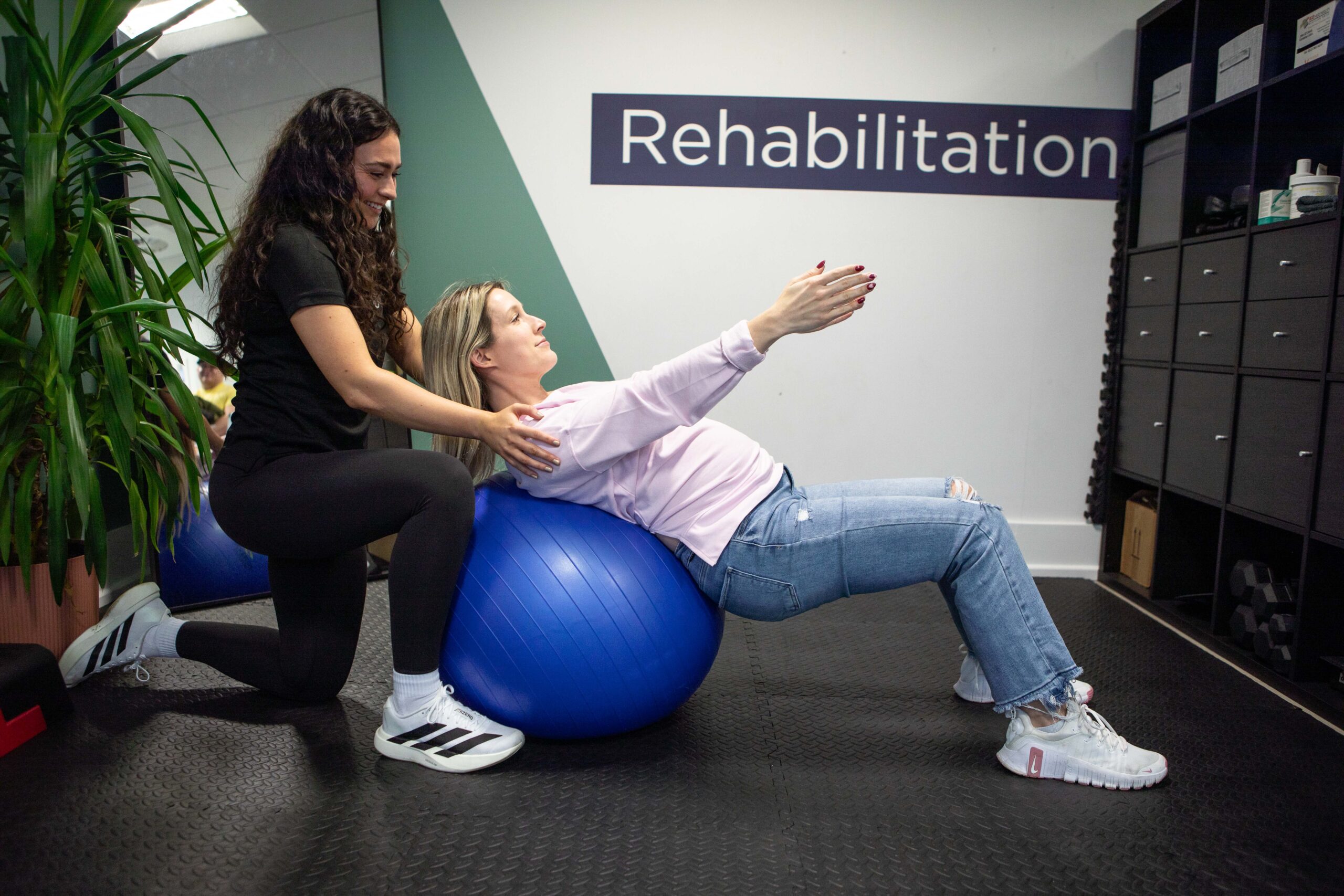
Pelvic Organ Prolapse Treatments To Help You Move With Greater Comfort And Confidence
Pelvic organ prolapse treatments at Bode Clinic provide supportive, personalised care for women experiencing feelings of heaviness, pressure, bulging or pelvic floor concerns. We understand that prolapse symptoms can affect exercise, work, daily activities and confidence, which is why we focus on clear assessment, practical guidance and tailored pelvic health support.
Whether your symptoms have developed after pregnancy, childbirth, during menopause, or at another stage of life, our aim is to help you better understand your options and create a personalised plan that supports comfort, confidence and day-to-day function.
Why Women Choose Bode Clinic For Pelvic Organ Prolapse Support
- Dedicated Pelvic Health Services: We regularly support women experiencing pelvic floor and prolapse-related concerns.
- Personalised Assessment: Every treatment plan is tailored to your symptoms, lifestyle and goals.
- Private Appointments: Book directly without requiring a GP referral.
- Supportive Environment: We understand that pelvic health concerns can feel sensitive and personal.
- Practical Rehabilitation Approach: We focus on education, confidence and long-term self-management strategies.
- Integrated Women’s Health Services: Access pelvic health assessment, postnatal support and pessary fitting options where appropriate.
- Convenient Salford Location: Easily accessible from Manchester and surrounding areas.
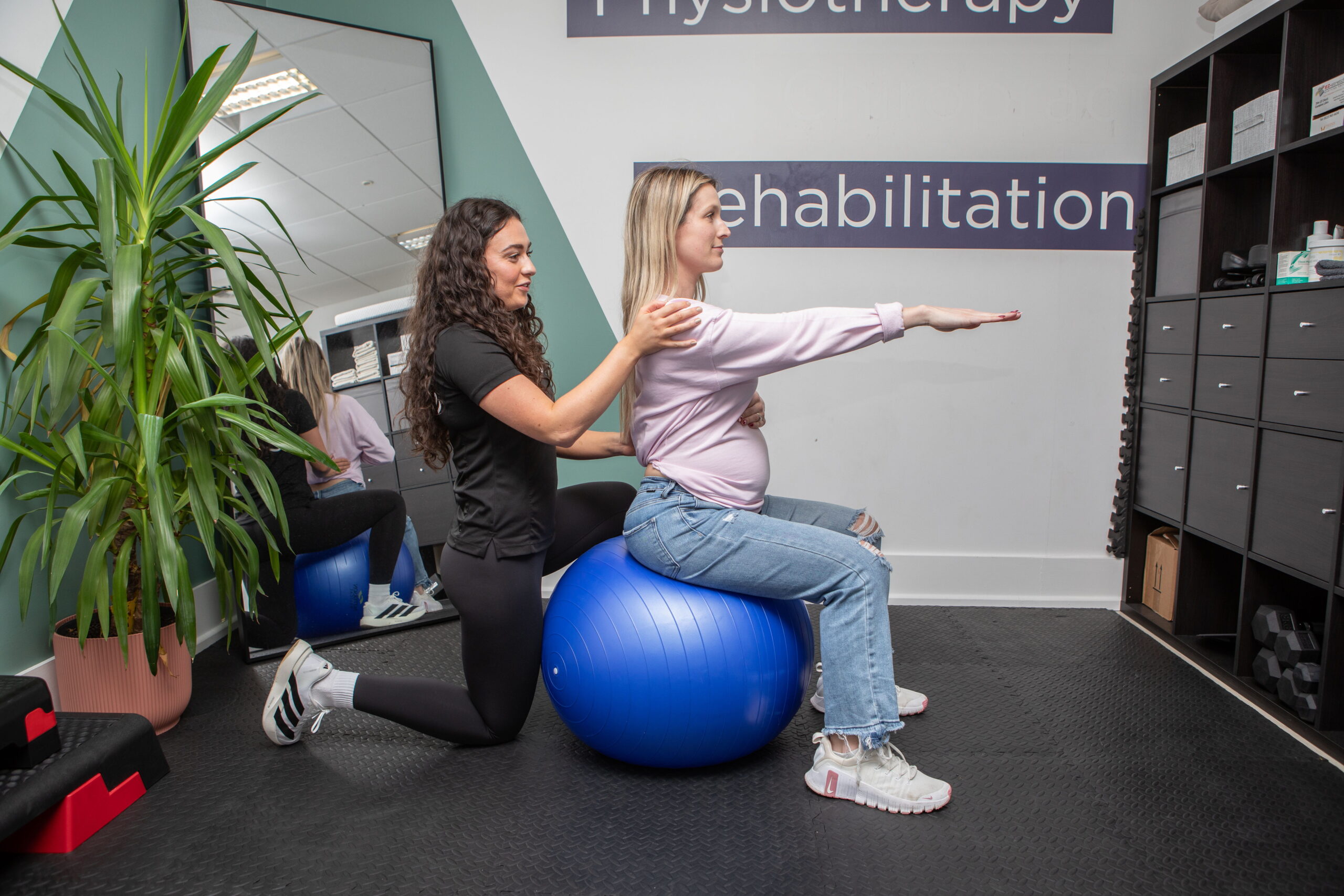
What Is Pelvic Organ Prolapse?
Pelvic organ prolapse occurs when one or more pelvic organs move downwards and create pressure against the vaginal walls. This can happen when the tissues, muscles and ligaments that support the pelvic organs become less supportive over time.
Prolapse is common and can affect the bladder, bowel, uterus or upper part of the vagina. Symptoms can range from mild to more noticeable and do not always correlate with the degree of prolapse.
Many women seek support because symptoms affect exercise, daily activities, work, intimacy or overall quality of life.
Common Symptoms Of Pelvic Organ Prolapse
Symptoms can vary from person to person but may include:
Not everyone with these symptoms has prolapse, which is why assessment is important.
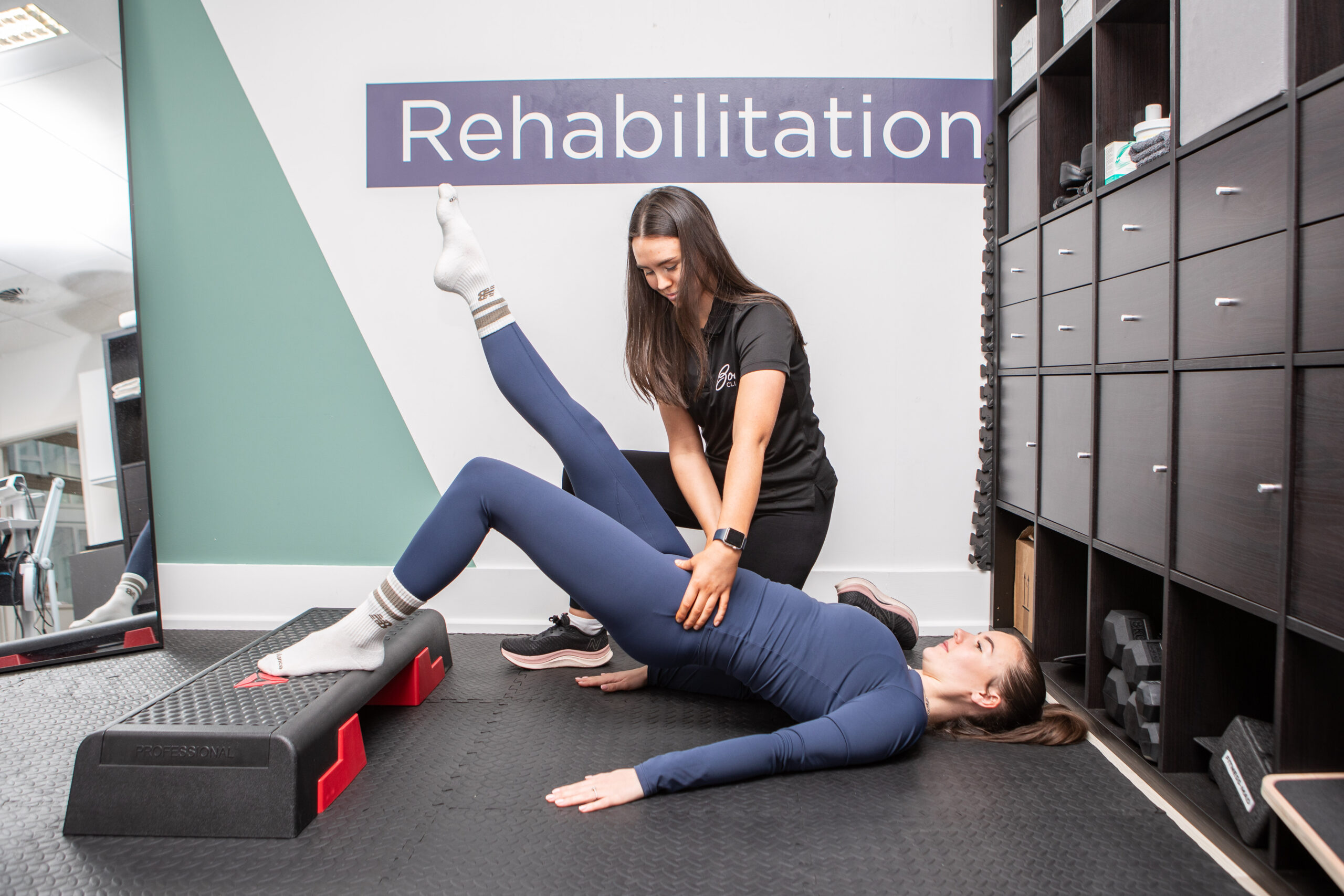
Possible Causes Or Triggers
Pelvic organ prolapse can be associated with several factors, including:
- Pregnancy And Childbirth
- Menopause And Hormonal Changes
- Age-Related Changes In Supporting Tissues
- Repeated Heavy Lifting
- Persistent Coughing
- Chronic Constipation And Straining
- Previous Pelvic Surgery
- Family History Of Pelvic Floor Problems
- Increased Pressure Within The Abdomen Over Time
In many cases, several factors contribute rather than a single cause.
When To See A Professional
You may wish to seek professional support if symptoms are affecting your comfort, confidence, exercise, work or quality of life.
It is particularly worthwhile seeking assessment if you:
- Notice A New Vaginal Bulge Or Pressure Sensation
- Experience Ongoing Pelvic Heaviness
- Develop Bladder Or Bowel Difficulties
- Avoid Activities Because Of Symptoms
- Feel Unsure Whether Symptoms May Be Related To Prolapse
You should speak with a GP or healthcare professional promptly if you experience severe pain, bleeding, significant urinary retention, sudden worsening symptoms or other concerning changes.
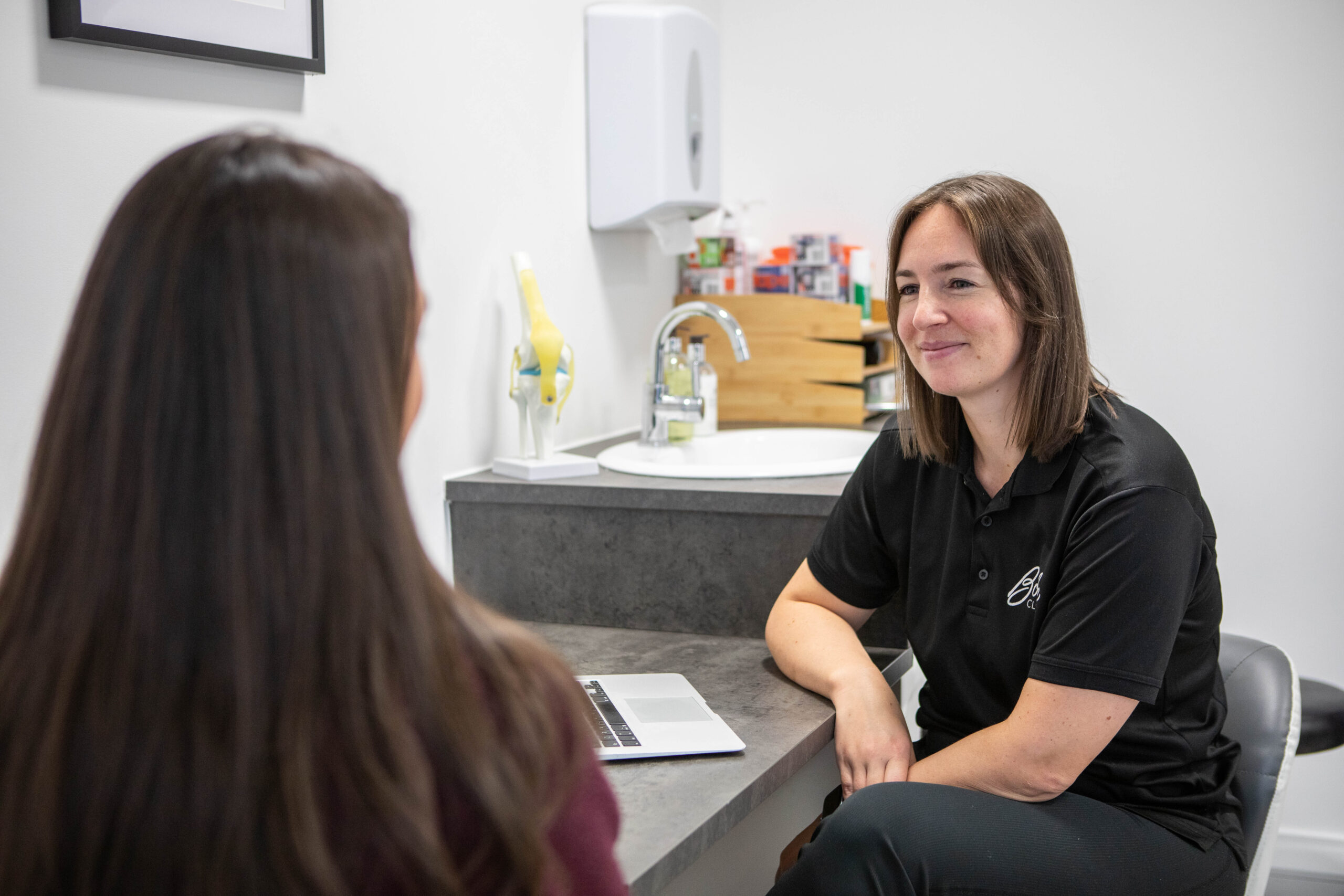
How We Help With Pelvic Organ Prolapse
At Bode Clinic, we help women understand how prolapse symptoms may be affecting their daily lives and what support options may be appropriate.
We do not claim to cure pelvic organ prolapse. Instead, we focus on helping women manage symptoms, improve confidence, optimise pelvic floor function and support return to activities that matter to them.
Support may include:
- Pelvic Health Assessment
- Pelvic Floor Muscle Training
- Lifestyle And Activity Advice
- Exercise Modification Guidance
- Postnatal Recovery Support
- Pessary Assessment And Fitting Where Appropriate
- Long-Term Self-Management Strategies
Every treatment plan is tailored to the individual and their specific symptoms.
Methods We Use To Help With Pelvic Organ Prolapse
- Pelvic Health Assessment
- Women's Health Physiotherapy
- Pessary Fitting
- Postnatal Pelvic Floor Recovery
- Education And Self-Management Support
A pelvic health assessment helps us understand your symptoms, activity levels, pelvic floor function and personal goals. This provides the foundation for a personalised support plan.
Women’s health physiotherapy may help support pelvic floor function, symptom management and confidence with daily activities and exercise.
Treatment plans are individualised and based on assessment findings.
For some women, a pessary may be considered as part of a wider prolapse management plan. A pessary is a removable device fitted within the vagina to provide additional support for pelvic organs.
Suitability depends on individual assessment and symptoms.
Pregnancy and childbirth can contribute to pelvic floor changes. Postnatal support may help women understand recovery, exercise progression and symptom management following birth.
Understanding prolapse is often an important part of reducing uncertainty and improving confidence. We provide practical advice around lifting, exercise, bowel health, pelvic floor awareness and symptom management strategies.
Who This May Be Suitable For
Pelvic organ prolapse support may be suitable for women who:
- Feel Pelvic Heaviness Or Pressure
- Notice A Vaginal Bulge Or Dragging Sensation
- Experience Symptoms After Pregnancy Or Childbirth
- Have Bladder Or Bowel Changes Associated With Prolapse
- Want To Return To Exercise More Confidently
- Are Exploring Conservative Management Options
- Would Like Advice About Pessary Use
- Want Personalised Pelvic Health Guidance
Who This May Not Be Suitable For And Key Considerations
Support at Bode Clinic may not be the most appropriate first step if you are experiencing:
- Severe Or Sudden Pelvic Pain
- Heavy Vaginal Bleeding
- Acute Urinary Retention
- Signs Of Infection
- Rapidly Worsening Symptoms
- Symptoms Requiring Immediate Medical Assessment
Some women may ultimately require medical or surgical input depending on symptom severity and individual circumstances. Where appropriate, we can advise on onward referral pathways.
It is also important to recognise that symptom improvement varies between individuals and may require ongoing management strategies.
Why Choose Bode Clinic
Bode Clinic is an independent physiotherapy and specialist treatment clinic in Salford with dedicated women's health services.
Women choose us because we provide:
- Private Appointments Without NHS Waiting Lists
- One-To-One Assessment And Personalised Care
- Dedicated Pelvic Health Services
- Support For Pregnancy, Postnatal And Menopause-Related Concerns
- Access To Pelvic Health Assessment And Pessary Support
- Professional Yet Friendly Communication
- Clear Advice And Practical Next Steps
Areas We Cover
Our clinic is based in Salford and welcomes women from across Greater Manchester, including:
FAQs
What Is Pelvic Organ Prolapse?
Pelvic organ prolapse occurs when pelvic organs move downwards and create pressure against the vaginal walls due to reduced support from surrounding tissues and muscles.
Can Pelvic Organ Prolapse Improve Without Surgery?
Some women successfully manage symptoms through pelvic floor rehabilitation, lifestyle modifications and pessary support where appropriate. Suitability varies between individuals.
Can Exercise Make Prolapse Worse?
Not necessarily. Appropriate exercise can often remain part of an active lifestyle, although modifications may be helpful depending on symptoms.
Do I Need A GP Referral?
No. You can book directly with Bode Clinic for an assessment.
What Does A Pelvic Health Assessment Involve?
The assessment explores symptoms, medical history, lifestyle factors and pelvic floor function to help determine suitable management options.
What Is A Pessary?
A pessary is a removable device designed to support pelvic organs and may help manage prolapse symptoms in some women.
Can Prolapse Occur After Childbirth?
Yes. Pregnancy and childbirth are recognised risk factors for pelvic organ prolapse.
Can Menopause Affect Pelvic Organ Prolapse?
Menopause-related changes in tissues and support structures may contribute to prolapse symptoms for some women.
Will I Need Surgery?
Not necessarily. Some women manage symptoms successfully without surgery, while others may benefit from specialist medical assessment depending on severity and personal circumstances.
Take The Next Step With Bode Clinic
If pelvic organ prolapse symptoms are affecting your confidence, comfort or daily activities, we can help you better understand your symptoms and explore suitable support options. Our approach combines personalised assessment, women’s health expertise and practical guidance tailored to your individual circumstances.