
Expert Synovial Joint Injections in Salford | Support For Pain, Stiffness & Swelling
Our synovial joint injections in Salford may help manage pain, stiffness or swelling in joints such as the knee, shoulder, hip, ankle, wrist or elbow. At Bode Clinic, we assess your symptoms carefully and explain whether injection therapy, physiotherapy or a combined plan may be suitable for you.
Why Choose Bode Clinic For Joint Injection Support
- Personalised Assessment: We assess your joint symptoms, movement, pain triggers and goals before discussing treatment.
- Private Appointments: You can book directly without needing a GP referral.
- Injection Therapy Options: We offer injection therapy for suitable joint and soft tissue concerns.
- Rehab-Led Approach: We focus on longer-term movement, strength and function, not just short-term pain relief.
- Clear Aftercare: You will receive guidance on what to expect after your appointment.
- Wider Treatment Support: We can combine injection therapy with physiotherapy, exercise rehab or other suitable services.
- Advanced Technology: Ultrasound guided injections available for better accuracy and precise injections.

What Is A Synovial Injection?
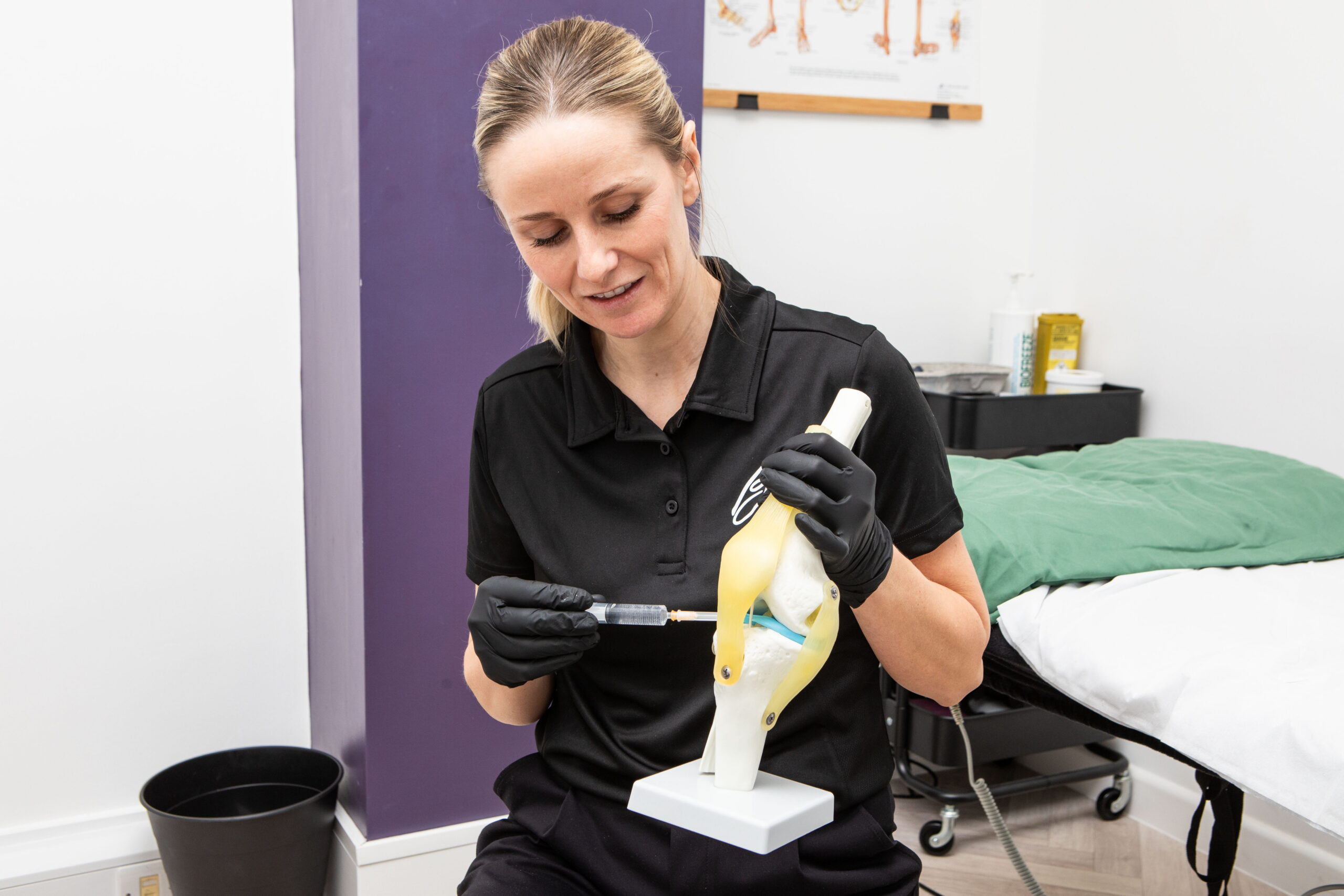
Our synovial joint injections in Salford involve placing medication into or around a joint to help manage pain or inflammation. Corticosteroid injections are commonly used to reduce inflammation in painful or swollen joints, including the knees, hips, shoulders, elbows, wrists and ankles.
At Bode Clinic, we use injection therapy as part of a wider assessment-led plan. This means we look at your symptoms, movement, lifestyle and recovery goals before advising whether an injection is appropriate.

What Does A Synovial Joint Injection Do?
A synovial injection may help reduce pain and inflammation within or around a joint.
Depending on your presentation, an injection may be used to:
- Reduce Local Inflammation: Especially when swelling or irritation is limiting movement.
- Ease Pain Temporarily: This may allow you to move more comfortably.
- Support Rehabilitation: Less pain may help you engage better with strengthening or mobility work.
- Improve Short-Term Function: Some people find daily tasks easier during the relief period.
- Clarify The Pain Source: In some cases, response to injection may help guide next steps.
A joint injection is not a cure for arthritis or joint degeneration. It works best when used as part of a broader plan that may include exercise, load management and physiotherapy.
Conditions A Synovial Joint Injection May Be Used For
A synovial joint injection may be considered for selected joint-related problems after assessment. This can include:
- Osteoarthritis-Related Joint Pain
- Joint Swelling Or Irritation
- Inflammatory Flare-Ups
- Bursitis Near A Joint
- Some Tendon Or Soft Tissue Pain Presentations
- Pain That Is Limiting Rehabilitation Progress
The right option depends on the joint involved, your symptoms, your medical history and whether injection therapy is likely to be suitable.

Synovial Fluid & Why It Matters
Synovial fluid is the lubricating fluid found inside synovial joints. It helps the joint surfaces move more smoothly and supports comfortable movement.
When a joint becomes irritated, inflamed or affected by wear-related changes, movement can feel stiff, painful or restricted. Some people notice swelling, warmth, aching, reduced mobility or pain during weight-bearing activities.
Hyaluronic acid injections are sometimes discussed for joint lubrication, especially in cases of osteoarthritis. However, NICE does not currently recommend intra-articular hyaluronic acid for osteoarthritis in its treatment summaries. This decision may be influenced by the cost, as it is not deemed cost-effective in the primary care NHS setting. In contrast, the private sector offers more flexibility in selecting the most suitable care options. As guidance can vary based on individual circumstances and treatment settings, we will provide a clear explanation of your options during your consultation.
When deciding between hyaluronic acid and cortisone for knee arthritis, it’s important to consider your specific symptoms. Cortisone is ideal for providing rapid, temporary pain relief and addressing severe inflammation. In contrast, hyaluronic acid functions as a joint lubricant, often offering longer-lasting relief for mild to moderate arthritis.
Read more about related injection options in our blog on corticosteroids vs hyaluronic acid injections.
Our Joint Injection Process
We begin by understanding your symptoms, medical history, activity levels and goals. We assess how your joint moves, what aggravates your pain and whether your symptoms suggest injection therapy may be appropriate.
We explain the likely benefits, limitations and considerations. Not everyone is suitable for a synovial joint injection, and in some cases, physiotherapy, Consultant review or further investigation may be more appropriate.
Where suitable, the injection is carried out in a professional clinical setting. We will explain what is happening, what you may feel and how to look after the area afterwards.
Injection therapy is often most useful when combined with a plan. This may include mobility work, strengthening, activity modification and gradual return to normal movement.
Learn more about our physiotherapy service and functional exercise rehab.
Benefits Of Choosing Injection Therapy With A Rehab-Led Clinic
A joint injection may offer short-term symptom relief, but the bigger goal is helping you move better and make informed decisions.
At Bode Clinic, we focus on:
- Understanding The Cause: Pain may come from inflammation, joint irritation, muscle weakness, tendon overload or movement habits.
- Clear Advice: We explain what the injection may and may not do.
- Joined-Up Care: We can support you with physiotherapy and rehabilitation where suitable.
- Realistic Expectations: Relief varies between people, and outcomes are not guaranteed.
- Practical Next Steps: You leave knowing what to do after treatment.
Who May Be Suitable For A Synovial Joint Injection?
A synovial joint injection may be suitable if you:
- Have A Painful Or Swollen Joint
- Have Arthritis-Related Joint Pain
- Are Struggling To Progress With Exercise Due To Pain
- Have A Joint Flare-Up That Is Limiting Daily Movement
- Have Tried Other Conservative Options Without Enough Relief
- Want A Clear Assessment Before Deciding On Treatment
Suitability is always assessed individually. We will not recommend injection therapy if we believe another route is safer or more appropriate.
Who May Not Be Suitable For A Synovial Joint Injection?
Injection therapy may not be suitable if you have certain medical considerations, signs of infection, unexplained severe swelling, recent illness, some medication risks or other factors that need medical review.
You should seek urgent medical advice if you have:
- A Hot, Red Or Severely Swollen Joint
- Fever Or Feeling Generally Unwell
- Sudden Severe Pain After Injury
- New Inability To Bear Weight
- Unexplained Symptoms That Are Getting Worse Quickly
Corticosteroid injections may not be offered where there are signs of infection, illness or certain upcoming procedures.

Common Concerns We Treat
- Knee pain when walking or using stairs
- Shoulder pain that limits lifting
- Hip or ankle stiffness
- Painful arthritis flare-ups
- Swelling that restricts movement
- Joint pain that stops rehab progress
If you are unsure where to start, we can assess your symptoms and talk through suitable options.
Why Choose Bode Clinic?
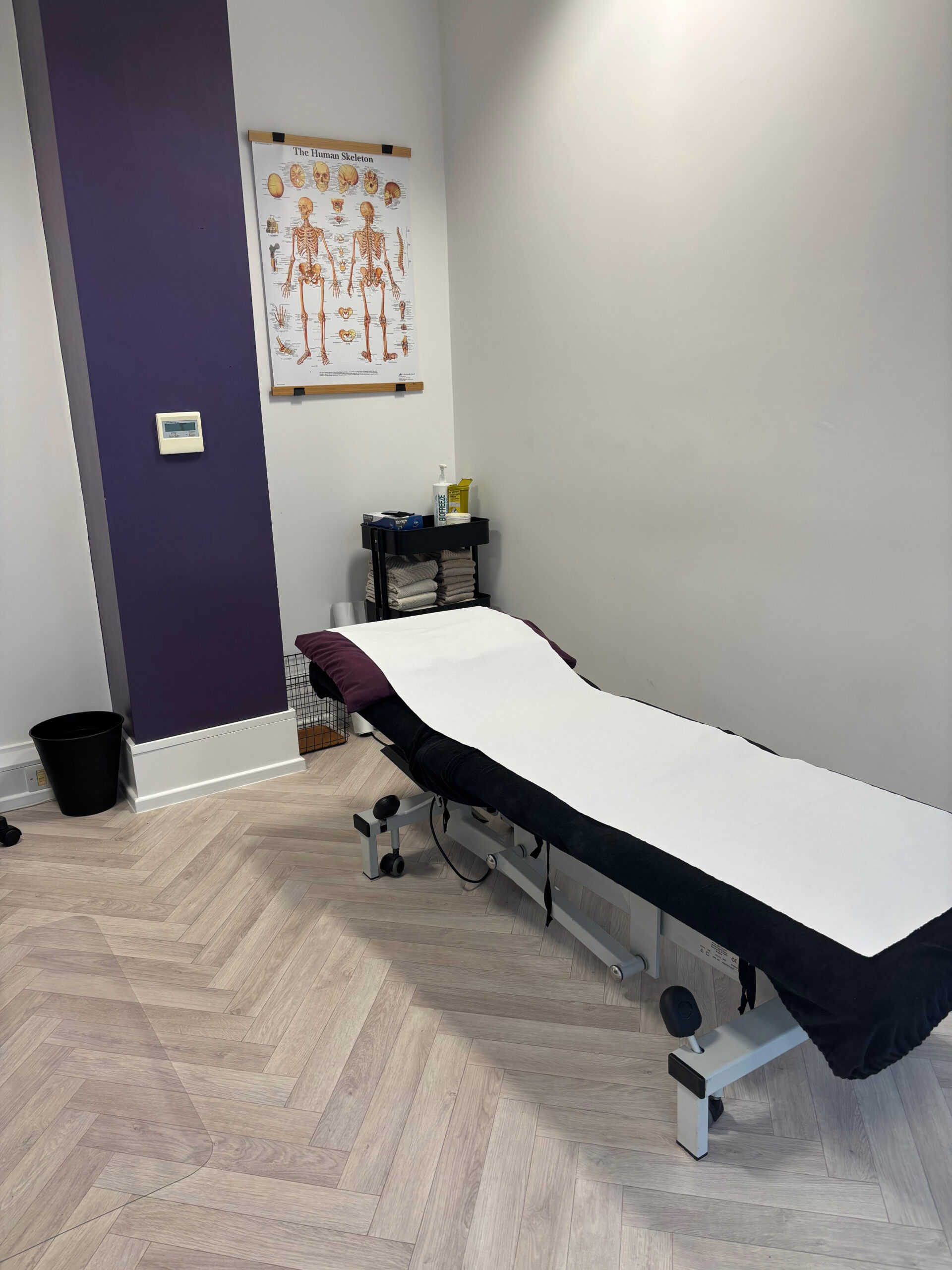
Bode Clinic is an independent clinic in Salford, specialising in musculoskeletal injuries. Our team is highly skilled in injection therapy and utilises ultrasound guidance when necessary to achieve accurate and precise outcomes. We collaborate closely with consultants and specialists throughout the North West.
Patients choose us because we offer:
- A Friendly, Professional Clinic Environment
- Private Appointments Without Long Waiting Lists
- Personalised Treatment Planning
- Specialist Musculoskeletal Support
- Clear Communication & Aftercare
Explore more about our clinic or view our full range of services.
FAQs
What Is A Synovial Joint Injection?
A synovial joint injection is an injection placed into or around a synovial joint, such as the knee, shoulder, hip, wrist, elbow or ankle. It may be used to help manage pain or inflammation.
What Does A Synovial Joint Injection Do?
It may help reduce inflammation and pain in a joint. This can sometimes make movement easier and support rehabilitation, although relief varies and is not guaranteed.
Is A Synovial Joint Injection The Same As A Steroid Injection?
Not always. A steroid injection is one type of joint injection. Other options may be discussed depending on the joint, condition and suitability.
How Long Does Relief Last?
This varies, corticosteroid injection can last anywhere from a few weeks to a few months. Hyaluronic acid injection typically lasts 6 to 12 months.
Do I Need A GP Referral?
No, you can book directly with Bode Clinic. If your symptoms need GP review, imaging or specialist input, we will advise you.
Can I Exercise After A Joint Injection?
You will receive aftercare advice based on your treatment. In many cases, exercise is reintroduced gradually, with guidance from your clinician.
Are Joint Injections A Cure?
No. Joint injections do not cure arthritis or joint degeneration. They may help manage symptoms and support a wider treatment plan.
Can Injection Therapy Be Combined With Physiotherapy?
Yes, where suitable. Injection therapy may help reduce symptoms enough to progress with physiotherapy, strengthening and functional rehabilitation.
Book A Synovial Injection in Salford With Bode Clinic
If joint pain, swelling or stiffness is stopping you from moving comfortably, Bode Clinic can help you understand whether a synovial joint injection or another treatment route may be suitable. We combine careful assessment, clear advice and tailored aftercare so you can make an informed decision about your next step.